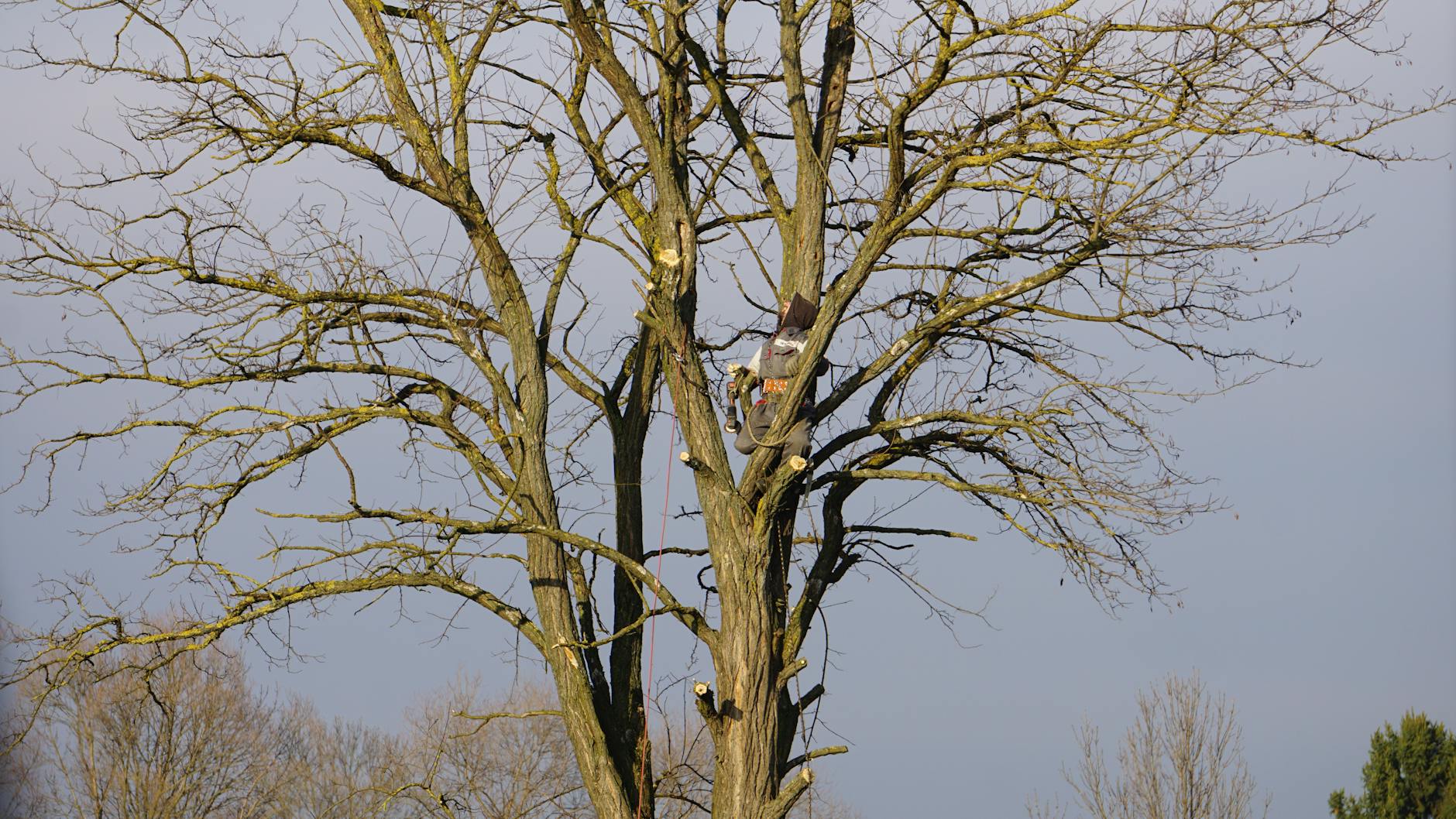
Tree trimming in Washington Township keeps branches from crowding your roofline, blocking gutters, or growing into utility lines. Tree pruning is more precise work — it targets structure and long-term health by removing crossing branches, weak attachments, and dead wood before they become problems. Both require knowing where to cut and, equally, where not to. An improper cut weakens the branch collar and opens the tree to disease; the right cut heals cleanly over a few growing seasons. We provide trimming and pruning throughout Washington Township, NJ.
What Tree Trimming and Pruning Involve
We start with a walk-around to identify the specific goals — clearance, deadwood removal, or structural improvement — before going into the tree. Crown thinning removes selected branches to let light and air through without changing the overall shape. Deadwood removal clears out dead, broken, and dying branches that can fall independently during a storm. Clearance trimming pulls growth back from structures and utility lines through targeted cuts, not wholesale chopping. Structural pruning on young trees corrects poor branch angles and competing leaders before the problem becomes permanent. We follow ISA best-practice standards throughout — no topping, no flush cuts.
For trees that are beyond trimming — structurally compromised, heavily diseased, or leaning toward a structure — our tree removal team can assess whether removal is the appropriate next step on the same estimate visit.
When You Need This Service
- Branches are within a few feet of your roofline, siding, gutters, or power lines
- Dead limbs are visible in the canopy — they can fall on their own without warning
- It has been more than three years since the last professional trim
- Crossing branches are rubbing each other and creating open wounds in the bark
- You have a young tree you want to train into sound structure before bad habits set in
When You Do Not Need to Call Us
Not every pruning situation requires a full crew. A single branch you can safely reach from the ground with a pole saw does not need a truck on your driveway.
- A branch under four inches in diameter that is well clear of structures and accessible from the ground — handle it yourself with a clean saw
- Shrub shaping and hedge trimming — that is a landscaping service, not what we do
- Purely cosmetic work on a healthy tree with no structural or safety concerns — it can often wait
What Affects the Cost
- Tree height and canopy spread
- Accessibility: ground work versus aerial lift versus full climbing
- Amount of deadwood in the canopy — more dead branches means more individual cuts and more time
- Number of trees on the property
We quote every job before starting. The price on the quote is the price on the invoice — no surprises after the work is done.
Frequently Asked Questions
How often should trees be trimmed?
Most established trees need professional attention every 3 to 5 years. Trees near structures or utility lines often need annual clearance work to stay within safe distance.
What is the difference between trimming and pruning?
Trimming is maintenance work that keeps branches clear of structures and each other. Pruning is more surgical — it targets branch structure and tree health with specific cuts that direct future growth and reduce long-term failure risk.
Can trimming damage my tree?
Yes, if done incorrectly. Topping — cutting back the main leaders to stubs — causes lasting structural damage and stress. Flush cuts remove the branch collar, which is the tree's natural defense mechanism. We avoid both. Correct trimming removes less than 25% of live canopy in a single visit.
Is there a best time of year to trim trees?
Late winter or early spring — before new growth starts — is the best window for most species. The tree is dormant, disease and insects are less active, and cuts heal quickly as growth resumes. Some species like oak should not be trimmed in spring due to oak wilt risk; we advise on this during the estimate.
What is crown raising and when is it needed?
Crown raising removes the lowest branches of the canopy to increase vertical clearance — over driveways, walkways, sight lines, or structures. It changes clearance without altering the upper canopy shape, and it is one of the most common requests we get from homeowners.
Helpful Resources
Service Area
We provide tree trimming & pruning in washington township, nj in Washington Township, NJ.